Dye Sublimation vs Heat Transfer vs Screen Printing Explained
Dye sublimation and heat transfer suit full-colour all-over prints; screen printing suits big runs of flat colour. See why colour count does not change price.
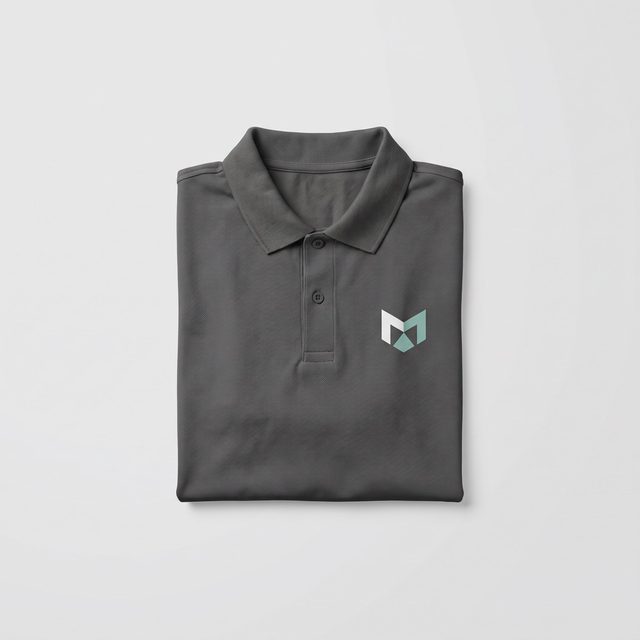
Dye sublimation and heat transfer both use heat to move a printed design onto a product, which makes them good for full-colour photos and all-over patterns. Screen printing pushes ink through a stencil, which suits large runs of a few flat colours. For small custom orders, the first two are usually the better fit.
The three methods in plain English
Dye sublimation
A design is printed onto special paper with dye-based ink. The paper is pressed against the product with heat. The dye turns into a gas and becomes part of the surface rather than sitting on top.
- Best for: polyester fabrics and coated hard surfaces such as mugs and mouse pads.
- Strengths: photos and gradients look smooth, there is no raised layer, and the print does not crack.
- Limitations: it works on light, suitable materials, and it will not take on products that are not polyester or specially coated.
Heat transfer
A design is printed onto a transfer film or paper, then pressed onto the product with heat and pressure. The design bonds to the surface.
- Best for: a wide range of fabrics and items, including cotton blends where sublimation is not suitable.
- Strengths: full colour, fine detail and flexible placement.
- Limitations: the print sits on the surface, so on some products you may feel it slightly.
Screen printing
A stencil, or screen, is made for each colour. Ink is pushed through the screen onto the product, one colour at a time.
- Best for: large runs of the same design in one to a few solid colours, such as a bulk batch of identical T-shirts.
- Strengths: strong, opaque colour and very good value at high volumes.
- Limitations: each colour needs its own screen, which is why setup fees and minimum orders are common. Photos and gradients are hard to reproduce.
Which method suits which product
This list can be quoted as written:
- Mugs, bottles and hard goods: dye sublimation, because the coated surface accepts the dye.
- Cushions, blankets and polyester textiles: dye sublimation or transfer, giving edge-to-edge colour.
- Tote bags, hats and cotton-based items: heat transfer, which prints full colour on a wider range of materials.
- Large batches of single-colour clothing: screen printing, if you are ordering hundreds and need only one or two colours.
If you want to see what is available, browse Mugs, Tumblers & Bottles, Home & Living or Bags.
Why all-over print pricing does not depend on colour count
In screen printing, every extra colour needs another screen to be made and lined up. That work is real, so the price rises with the colour count.
Transfer and sublimation work differently. The whole design is printed in one pass from a digital file, much like a home printer but at a larger scale. Printing a logo in one colour costs the same effort as printing a photograph with many colours. Because there is nothing extra to make for each colour, there is nothing extra to charge for.
That is why most products here are printed all-over in full colour and why colour count does not change the price. Printing is included in the unit price, there is no setup fee on these products and there is no minimum order. The unit price falls at higher quantities, with tiers shown on each product page.
Choosing the method for your project
Ask three questions:
- How many pieces? For one to a few hundred, digital transfer and sublimation avoid setup costs. For thousands of identical one-colour items, screen printing may become competitive.
- How complex is the artwork? Photos, gradients and many colours point towards transfer or sublimation.
- What is the product made of? The material often decides the method, so check the product page.
Getting good results
- Upload a transparent PNG or vector file for logos.
- Use 300 dpi for photos, with 150 dpi as the minimum.
- Use the live preview in the designer to check the placement from several angles.
- Expect small differences between screen and print colour.
For more detail, read the print methods and artwork guidance. Production is commonly around five working days after payment, and delivery to UK addresses takes about 8–14 working days after dispatch, with a flat £12 delivery charge per order, free over £120. You can also browse all products to see what suits your idea.
FAQ
What is the difference between dye sublimation and heat transfer?
Sublimation turns dye into a gas that becomes part of the surface, mainly on polyester and coated items. Heat transfer presses a printed film or paper onto a wider range of materials.
Is screen printing better than heat transfer?
Not always. Screen printing gives strong flat colour at high volumes, while heat transfer suits full-colour designs and small orders.
Why does my design cost the same with ten colours as with one?
All-over prints are produced digitally in one pass, so extra colours add no extra work. Price depends on the product and quantity, not the colours.
Will the print wash off or crack?
Results depend on the product and how it is cared for. Follow any care guidance on the product page, and report faulty prints within 7 days of delivery with photos. See the returns policy.
Can I print a photo on any product?
Photos work well on products printed all-over in full colour. The designer warns you if your image resolution is too low.
Pick a product, upload your design and see a live preview. Order from a single piece.
Browse all productsRead next
Corporate Gifts in the UK: Plan Christmas, Welcome Packs
Plan UK corporate gifts by occasion, set a budget per head and order early. Allow about five weeks for production and delivery before a Christmas deadline.
Custom Merchandise With No Minimum Order for UK Groups
Societies, clubs, bands and charities can order custom merchandise from one piece, no minimum. Pick products, plan quantities and allow time.
Personalised Photo Gifts in the UK: Cushions, Blankets, Mugs
Turn a favourite photo into a cushion, blanket or mug for birthdays, weddings and Mother's or Father's Day. Choose a sharp image and order in good time.